Shaping a more equitable and sustainable future for the deep ocean.
About the Project
Global attention is increasingly turning to the Blue Economy as a pathway to sustainable development. However, the expansion of human activities in the deep ocean, alongside pressures from climate change, fisheries and pollution, poses growing risks to these unique and fragile ecosystems.
Beyond the Status Quo: Defining and Enabling a Sustainable Deep-Ocean Blue Economy seeks to help guide this emerging economic frontier towards a future that is both equitable and sustainable. Working with the Benioff Ocean Science Laboratory, the Deep-Ocean Stewardship Initiative (DOSI) and the Nippon Foundation-University of Edinburgh Ocean Voices Programme, the project brings together experts in deep-ocean science and the Blue Economy, including National Geographic Explorers.
By examining the Blue Economy specifically through a deep-ocean lens, the project aims to advance scientific understanding, inform decision-making and strengthen the capacity needed to steward the ocean responsibly.
Project Goals
1. Define an equitable and sustainable deep-ocean Blue Economy
Convene experts in deep-ocean science and the Blue Economy to develop a shared understanding of what an equitable and sustainable deep-ocean Blue Economy should look like, alongside guidelines for putting these principles into practice. The work is intended to contribute novel knowledge through an academic, peer-reviewed paper.
2. Translate scientific findings into policy and practice
Share scientific findings and governance recommendations with decision-makers, policymakers, financial institutions, government representatives, industry, civil society and other ocean users. A communications toolkit spanning at least eight media formats is intended to make the research accessible to diverse audiences and support evidence-informed ocean stewardship.
3. Strengthen science and governance capacity in developing countries
Support greater participation in deep-ocean research and governance by engaging two to five fellows from Small Island Developing States through the Ocean Voices Programme at the University of Edinburgh. The project also aims for at least half of its participants to come from developing countries.
Impact and Key Numbers
More than 90% of Earth’s habitable space is associated with the deep sea.
USD 1.5 trillion reported value of the Blue Economy in 2010.
15 experts planned to be convened to help define an equitable and sustainable deep-ocean Blue Economy.
2–5 fellows targeted participation from Small Island Developing States through the Ocean Voices Programme.
At least 8 media formats planned for the communications toolkit to share findings and recommendations with different stakeholder groups.
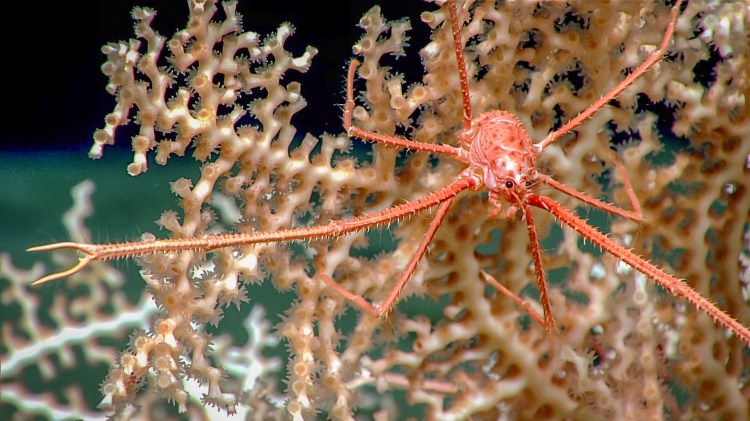
Deep-Sea Discoveries
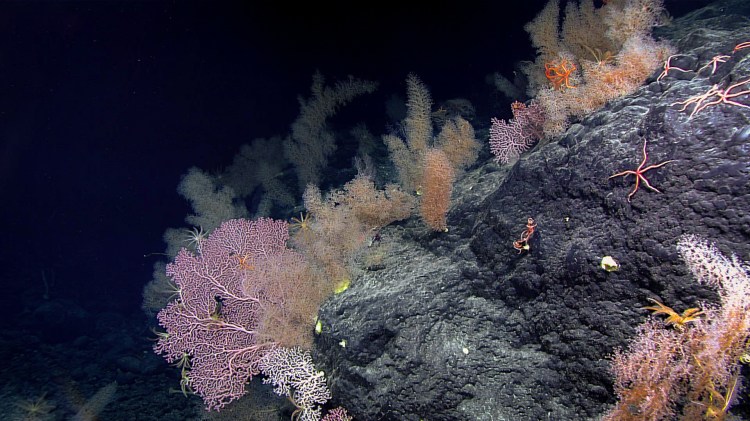
On 10 September 2017, a team exploring Sibelius Seamount observed a garden of coral at a depth of 2,465 metres. This was one of two high-density communities recorded during the dive.
Explore Further
- Deep-Ocean Stewardship Initiative
- Global Deep-Sea Capacity Assessment
- NOAA Ocean Exploration: Deep-sea coral garden on Sibelius Seamount
- NOAA Ocean Exploration: Deep-sea imagery
Partners and Funders
Project collaborators
- Benioff Ocean Science Laboratory
- Deep-Ocean Stewardship Initiative (DOSI)
- Nippon Foundation-University of Edinburgh Ocean Voices Programme
Funder
- National Geographic