Discovering the hidden depths of Trinidad and Tobago to inform
ocean conservation and stewardship.
About the Project
The importance of the deep ocean is often underestimated in Trinidad and Tobago. Limited local research capacity has constrained exploration, leaving deep-sea ecosystems poorly understood and their ecological importance and benefits largely unknown. This knowledge gap also presents challenges for evidence-based decisions about increasing ocean exploitation and the protection of deep-sea areas.
Supported by The Pew Charitable Trusts, Explore, Manage and Protect My Deep-Sea Backyard is a locally led initiative focused on gathering and communicating baseline scientific data to strengthen the stewardship of Trinidad and Tobago’s mesophotic and deep-sea environments.
The project takes a holistic approach, bringing together scientific research, policy engagement and communication. By using innovative, accessible and low-cost technology, it aims to improve understanding of these fragile ecosystems, inform conservation planning and build the local capacity needed to continue exploring and protecting the ocean.
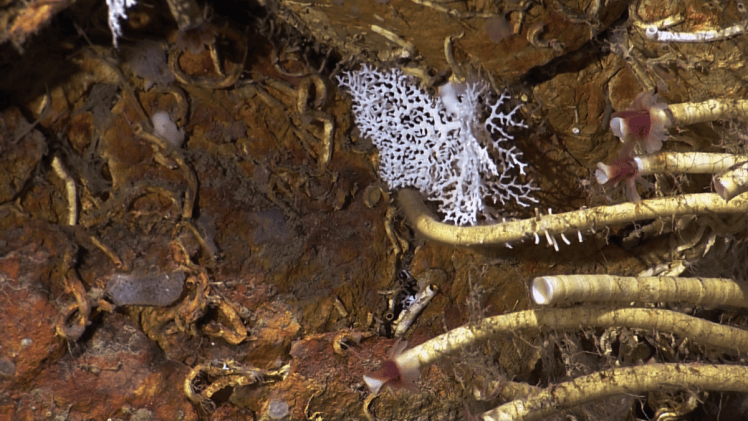
NOAA Office of Ocean Exploration and Research, Gulf of Mexico 2017
Project Goals
1. Advance science to identify deep-sea areas for protection
Use easily deployed, low-cost technology to explore poorly understood mesophotic and deep-sea ecosystems, generate baseline data and contribute to identifying areas that could benefit from protection.
2. Translate scientific findings into policy recommendations
Communicate scientific findings and governance recommendations to decision-makers and relevant ocean users, supporting the use of robust evidence in conservation planning and the development and implementation of ocean stewardship measures.
3. Strengthen local science capacity and ocean literacy
Build Trinidad and Tobago’s capacity for future deep-sea research through training, mentoring and knowledge-sharing. Use imagery, research experiences and scientific findings to raise awareness of the deeper ocean, its biodiversity and its importance, helping foster a lasting culture of ocean stewardship.
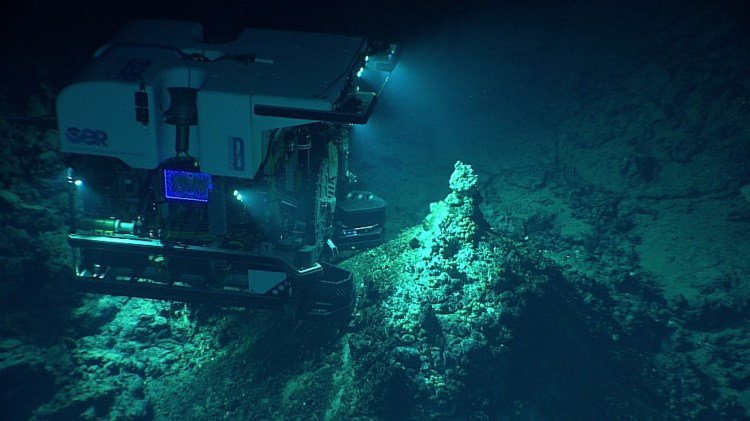
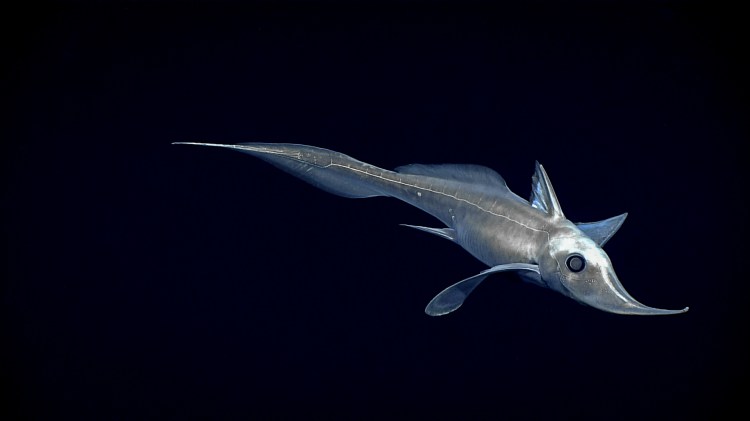
NOAA Office of Ocean Exploration and Research, 2016 Deepwater Exploration of the Marianas.
Impact and Key Numbers
- 2023–2026: Project period
- Less than 0.01%: Reported proportion of Trinidad and Tobago’s deep ocean explored at the time the project description was developed. This figure should be verified before publication.
- Three connected areas of work: Scientific research, policy engagement and communication
- A lasting local legacy: Stronger research capacity, greater ocean literacy and improved access to scientific knowledge to support conservation and future exploration.
Explore Further
Explore related deep-sea footage and research from Trinidad and Tobago:
Exploring Mud Volcanoes and Vents in Trinidad and Tobago | Nautilus Live
Partners and Funders
Partner: The University of the West Indies (UWI)
Funder: The Pew Charitable Trust